
MOXI and BBL Explained The Laser Duo Transforming Skin Care

Updated: Aug 6
Laser skin care can feel confusing because many treatments promise brighter, smoother, younger-looking skin. MOXI and BBL stand out because they are gentle enough for many people with busy schedules, yet powerful enough to address some of the most common signs of sun damage and aging.
They are often discussed together, but they are not the same treatment. MOXI focuses on texture and early pigment changes by resurfacing the skin in a light, fractional way. BBL focuses on tone, redness, visible vessels, and sun-related discoloration using broad-spectrum light. When used together, they can create a more complete result than either one alone.
This guide explains how MOXI and BBL work, what each treatment is best suited for, why many dermatology providers combine them, and what to know before scheduling a consultation.

MOXI uses fractional energy to refresh the skin surface
MOXI is a non-ablative fractional laser treatment that uses a 1927 nm wavelength. In plain language, that means it delivers controlled energy into the outer layers of the skin without removing the entire surface.
The word “fractional” matters. Instead of treating every inch of skin at once, MOXI creates thousands of microscopic treatment zones. These tiny zones trigger the body’s natural repair process while leaving surrounding skin intact. That helps the skin recover faster than it would after more aggressive resurfacing.
MOXI is often chosen for:
Uneven skin texture
Early signs of photoaging
Mild pigmentation
Dullness
Fine surface roughness
Preventive skin maintenance
Because MOXI works in the upper layers of the skin, it is often described as a “prejuvenation” treatment. That term usually refers to treatments used before deeper lines, extensive discoloration, or significant laxity develop.
MOXI can also be useful for people who want visible improvement without the longer recovery tied to stronger resurfacing lasers. Most patients experience mild redness, warmth, and a sandpaper-like texture as the treated skin begins to shed.
For many people, the visible shedding phase lasts about two to four days. The skin may look pink or bronzed during that time. Makeup and skin care instructions vary by provider, so aftercare should come from the treating clinician.
BBL uses broad-spectrum light to target tone and redness
BBL stands for BroadBand Light. It is often grouped with lasers in casual conversation, but technically it is not a single-wavelength laser. BBL uses intense pulsed light, which delivers multiple wavelengths of light energy at once.
That broader range allows BBL to address several pigment and vascular concerns, including:
Brown spots from sun exposure
Redness
Rosacea-related flushing
Visible small vessels
Freckles and sun spots
Uneven skin tone
The most advanced version is often referred to as BBL HERO, which is designed to treat larger areas more efficiently than earlier light-based systems. The exact device and settings matter, so the treatment experience can vary from office to office.
BBL works through selective light absorption. Different targets in the skin absorb different wavelengths. Brown pigment absorbs certain light energy. Red vessels absorb other ranges. Once the target absorbs the energy, the body gradually clears or reduces the treated pigment or vessel.
That is why BBL results do not always appear instantly. Brown spots can temporarily darken before they flake or fade. Redness may soften over days to weeks. Some improvement may be visible after one session, but many treatment plans use a series for best results.

MOXI and BBL treat different parts of the aging picture
The simplest way to compare these treatments is to look at what each one does best.
Treatment | Main focus | Common concerns | Typical downtime |
MOXI | Texture and light resurfacing | Roughness, dullness, early photoaging, mild pigment | Often two to four days of redness, dryness, and shedding |
BBL | Tone and visible color changes | Brown spots, redness, rosacea, sun damage, visible vessels | Often mild redness or darkening of spots for several days |
MOXI and BBL together | Texture and tone | Mixed sun damage, uneven texture, discoloration, redness | Varies by settings and skin type |
MOXI is especially helpful when the skin feels rough, dull, or uneven. It supports cell turnover and encourages a fresher surface.
BBL is especially helpful when color is the main concern. That includes scattered brown spots, background redness, and small visible vessels.
Many people have both texture and tone concerns. Sun exposure, aging, inflammation, and environmental stress rarely affect the skin in just one way. That is where the combination becomes appealing.
Why providers often combine MOXI and BBL
MOXI and BBL complement each other because they target different layers and concerns. A combination session may be called MOXI + BBL, and some practices also use the phrase Forever Young BBL when discussing ongoing light-based maintenance plans.
In a combined treatment, BBL often targets pigment and redness first, while MOXI then works on resurfacing and texture. The provider may adjust the order based on the device used, skin type, treatment goals, and safety considerations.
The advantage is efficiency. Instead of treating discoloration in one appointment and texture in a separate cycle weeks later, a provider may address both in one visit.
Patients often notice improvement within one to two weeks, especially in brightness, clarity, and smoother-looking skin. Deeper or more stubborn concerns may still need a series of sessions.
The combination can be useful for:
Sun damage with both brown and red discoloration
Mild roughness plus uneven tone
Early signs of aging
Maintenance after more corrective treatments
Seasonal skin renewal when there is limited downtime available
The treatment plan should be individualized. More energy is not always better. Safe results depend on the right settings, proper spacing, and careful skin assessment.
What the Stanford research suggests about BBL
BBL has received attention not only because it improves visible tone, but also because research has explored how repeated treatments may affect the skin at a cellular level.
A well-known Stanford University study suggested that regular BBL treatments may influence gene expression patterns associated with younger-looking skin. In simple terms, the research raised the possibility that BBL may affect how skin behaves, not just how it looks on the surface.
That finding is interesting, but it should be understood carefully. It does not mean BBL stops aging or replaces healthy habits, sun protection, or medical skin care. It does suggest that light-based treatments may have biological effects beyond temporary cosmetic brightening.
For patients, the practical takeaway is straightforward: consistent, well-planned treatments may support skin quality over time. Still, treatment frequency and candidacy should come from a qualified provider who can assess skin tone, sensitivity, medical history, and goals.
Who may be a good candidate for MOXI and BBL
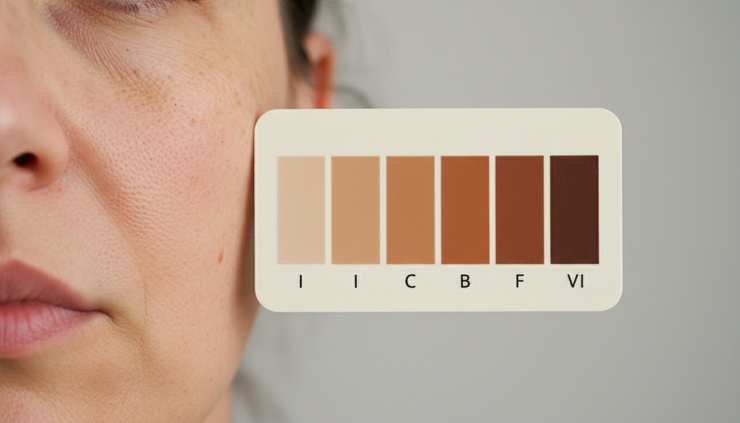
MOXI and BBL can benefit many skin types, especially Fitzpatrick types I through IV. These categories refer to how skin responds to sun exposure and how likely it is to burn or tan.
Candidacy depends on more than a skin type number. A provider should also evaluate:
Current tan or recent sun exposure
History of hyperpigmentation
Melasma tendency
Active acne or inflammation
Rosacea severity
Medications that increase light sensitivity
Pregnancy or breastfeeding status
Recent cosmetic procedures
History of scarring or poor wound healing
MOXI is often considered more flexible across skin tones than some stronger resurfacing lasers, but settings still matter. BBL requires special care in deeper skin tones because pigment absorbs light energy. If settings are too aggressive, there may be a higher risk of burns, discoloration, or prolonged irritation.
People with melasma need a careful plan. Heat and light can sometimes worsen melasma, even when treatment aims to improve pigmentation. In those cases, the provider may suggest a different approach or use conservative settings.
A consultation should include a skin exam, medical history, discussion of treatment goals, and a review of aftercare. It should also cover what the treatment cannot do. MOXI and BBL can improve skin quality, but they do not replace surgery, fillers, neuromodulators, prescription therapies, or treatment for medical skin disease when those are needed.
What treatment and recovery can feel like
A MOXI or BBL appointment usually starts with cleansing the skin and taking photos. Many practices use topical numbing for MOXI, though protocols vary. Eye protection is required for light and laser treatments.
During MOXI, the skin may feel warm, prickly, or rough as the handpiece passes over the treatment area. During BBL, patients often describe brief snaps of heat or light pressure.
After treatment, the skin may look pink or flushed. With MOXI, a rough or bronzed texture may appear as microscopic treated areas rise and shed. With BBL, brown spots may darken before fading. Redness can look more noticeable at first, then calm over the following days.
Common short-term aftercare usually includes:
Gentle cleansing
Bland moisturizer
Strict sun protection
Avoiding direct sun exposure
Pausing retinoids and exfoliating acids for a period set by the provider
Avoiding picking or scrubbing peeling skin
Sunscreen is not optional after these treatments. UV exposure can trigger new pigment and interfere with results. Broad-spectrum SPF, hats, and shade are part of protecting the investment.
How many sessions are usually needed
The number of sessions depends on the starting point and the goal.
Someone with light dullness and early pigment may be happy after one combined session. Someone with years of sun damage, visible redness, or stubborn discoloration may need a series.
Many providers recommend a structured initial plan, followed by maintenance. Maintenance might be seasonal or yearly, but it should be based on the patient’s response and risk factors.
The best plans are not one-size-fits-all. A conservative approach may be safer for sensitive skin, melasma-prone skin, or skin that tans easily. More corrective settings may be appropriate for lighter skin types with significant sun damage, as long as the provider confirms it is safe.

What to ask before booking a treatment
A good consultation should feel specific. The provider should explain why MOXI, BBL, or the combination fits the concern.
Helpful questions include:
Which concerns are you treating with MOXI?
Which concerns are you treating with BBL?
Is my skin tone a safe match for these settings?
Do I have signs of melasma or post-inflammatory hyperpigmentation risk?
How many sessions do you recommend?
What downtime should I expect?
What products should I stop before treatment?
What results are realistic for my skin?
Who will perform the treatment, and what training do they have?
Clear answers matter. These treatments are widely used, but they still require clinical judgment. The device is only part of the outcome. The person choosing the settings plays a major role in safety and results.
The takeaway on MOXI and BBL
MOXI and BBL have become popular because they address two major skin concerns with relatively limited downtime. MOXI improves texture, radiance, and early resurfacing needs. BBL improves tone, redness, visible vessels, and sun-related discoloration. Together, they can create a brighter, smoother, more even-looking complexion than either treatment may provide alone.
The right plan depends on skin tone, pigment behavior, sensitivity, medical history, and goals. A qualified healthcare provider can determine whether MOXI, BBL, a combined session, or another treatment is the safest match.
This article is for educational and research purposes only and does not constitute medical advice. Always consult a qualified healthcare provider before beginning any laser or light-based skin treatment.

Comments